



Irrigation Checklist: What to Inspect Before Spring Start-Up in Howell, MI
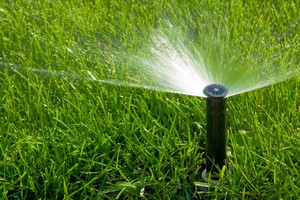
Getting your sprinklers ready for spring in Howell, MI starts with a clear irrigation checklist and a trusted pro. This guide explains what your technician inspects before turning on the water so your lawn greens up fast, uses less water, and avoids surprise repairs. If you want a smooth, worry-free start to the season, schedule professional irrigation service in Howell with Rainmaker Irrigation, LLC.
Cold winters, freeze-thaw cycles, and lake effect moisture can be tough on systems from Downtown Howell to neighborhoods around Thompson Lake and Lake Chemung. That is why a careful inspection comes first, not the controller. Below is what a trained technician reviews before startup so your system performs all season.
Why a Pro Spring Start-Up Matters in Howell
Professional start-ups catch hidden issues left by winter, snow plows, and fall blowouts. A pro also knows how local soils drain in places like Genoa and Oceola Townships, and how early-season winds push spray off target along Grand River Avenue corridors. Those details help protect foundations, landscape beds, and new sod from overwatering.
Most important, a proper checklist reduces water waste and the chance of mid-season breakdowns. It also documents the system’s baseline so adjustments later are faster and cheaper.
The Irrigation Checklist Pros Use in Howell, MI
Before any zone runs, your technician works through a safety-first sequence. Think of it like a pilot’s preflight. Nothing is guessed. Everything is verified and recorded for your property.
- controller and power verification
- water supply and backflow inspection
- mainline, valves, and lateral line checks
- pressure and flow confirmation
- sprinkler head function and coverage testing
- smart controller and sensor calibration
- final adjustments and written notes for your file
Controller And Power: Start With Safe Settings
Your technician confirms the controller powers up cleanly, the display is legible, and the backup battery or on-board memory is healthy. Programs are reviewed so the system cannot accidentally water during a freeze or before lawns in Howell have broken dormancy. Seasonal Adjust and cycle-and-soak features are set to a conservative spring baseline so you add minutes later, not waste water now.
Pro tip: Ask your tech to label programs by area, such as “front lawn,” “south beds,” or “play area.” Clear labels make mid-summer changes simpler and prevent mix-ups.
Water Supply And Backflow: Protect The Home
Next comes the water source. For homes on city water or private wells, the technician inspects shutoff valves, unions, and visible piping for stress or corrosion. The backflow assembly is checked visually for cracks, missing caps, or signs of freezing. Only after temperatures have stabilized will the assembly be pressurized and tested for leaks.
Warning: Backflow devices protect your home’s drinking water from contamination. If there is any doubt after a tough winter, your technician will not proceed until the assembly is safe.
Mainline, Valves, And Laterals: Finding Hidden Weak Spots
With the backflow confirmed safe, the mainline is pressurized slowly. Your specialist listens and watches for pressure drops and damp spots in turf, mulch, or near walks. Valve boxes in older Howell subdivisions may be shallow or tilted from frost heave, so lids and wiring are inspected. Each zone is cracked open briefly to push air out without hammering the system.
Repairs now prevent soggy lawns later. Small hairline splits near sidewalks, nicks from edging tools, or fittings loosened by frost are corrected before regular watering begins.
Pressure And Flow: Set The System’s “Heartbeat”
Healthy irrigation depends on steady pressure. Your technician checks static and dynamic pressure to confirm the pump or city supply is within manufacturer ranges. If pressure is too high, misting and drift waste water. If it is too low, coverage suffers and brown spots appear. Readings are documented so mid-season changes trigger a quick recheck instead of guesswork.
Homeowner note: Consistent readings year to year are a sign your system and supply are healthy.
Sprinkler Heads And Coverage: Save Water Where It Counts
Each zone is run long enough to inspect heads. Technicians look for clogged nozzles, stuck risers, sunken bodies, and crooked sprays. They align arcs so water lands on lawn and beds, not sidewalks or driveways. In windy areas near open fields around Howell, tighter arcs and matched-precipitation nozzles help fight drift and puddling.
Heads near slopes and along the lakefront may need shorter, repeated cycles to avoid runoff. Your pro will set that pattern now so roots get moisture and topsoil stays put.
Smart Sensors And Controllers: Simple Tweaks, Big Wins
Spring is the best time to confirm rain, freeze, and soil sensors are connected and talking to the controller. Wi‑Fi controllers get firmware updates, time zone checks, and weather integrations verified. Your technician confirms zones and plant types are mapped correctly so automated adjustments match your property.
- enable rain and freeze shutoffs before spring storms
- calibrate zone runtimes by nozzle type and sun exposure
- name zones in the app to match actual areas on-site
Timing For Howell Weather And Soil
Livingston County soils range from sandy loam near lake edges to heavier clay in many neighborhoods. Spring winds, cool nights, and bright sun can trick lawns into shallow rooting if you water too early or too long. Your pro sets light, infrequent cycles to encourage deeper roots while temperatures are still mild. As May warms, runtimes are increased in small steps to match plant needs.
Avoid this mistake: Do not chase emerald-green turf in April with heavy watering. That color often comes with fungus and weak roots later.
What Your Technician Documents For You
A clean paper trail makes future service faster. Your technician records controller program settings, pressure readings, replaced parts, and any weak spots to watch. Photos of tricky valve boxes or hard-to-see heads near driveways help everyone later, including lawn crews who might otherwise clip a riser.
It is also common to save a coverage photo or short video of each zone. That way, if a head is knocked out of alignment in June, you will know what “right” looked like in April.
Preventing Common Early-Season Problems
Early-season issues tend to cluster around the same causes: frozen backflow damage, valve wiring loosened by ground movement, or heads set too low after winter settling. Your pro runs a short diagnostic cycle after adjustments to confirm everything holds pressure and sprays evenly.
Homes near busy corners or newer builds may also see disturbances from utility work. If there has been recent digging, your technician will scan these areas first for crushed laterals and broken fittings.
Helpful Upgrades To Consider During Spring Irrigation Maintenance
Small upgrades during start-up can pay off all summer. Your technician may suggest matched-precipitation nozzles to even out coverage, pressure-regulated heads to cut misting, or a weather-based controller that fine-tunes runtimes after storms.
For systems with long runs or mixed head types in older Howell neighborhoods, a valve re-zone plan can improve uniformity and simplify future repairs. Your pro may also recommend adding a drain path or tying irrigation tweaks to a larger drainage solution if you see standing water after storms.
How This Checklist Connects To Winterization And Start-Ups
Everything on this list pairs with a proper fall blowout. Systems that were winterized well usually have cleaner spring inspections and fewer emergencies. If you missed a fall shut-down or had a tough winter, ask about our winterization and startup services so next spring is even smoother.
For ongoing care or new installs, explore our full irrigation service options to keep your system efficient and reliable.
Local Insight: Howell Properties Are Not All The Same
Many homes around Lake Chemung and Thompson Lake sit on breezier lots with open exposures. That means spring spray patterns need closer tuning to control drift. In denser subdivisions off M-59, sun and shade patterns shift runtimes by zone. A checklist-driven start-up adapts to those micro-conditions so you water just enough and not more.
If you are planning landscape changes this spring, tell your technician now. Moving a head or swapping a nozzle during start-up costs less time than revisiting later.
Your Next Step
Want a simple way to keep everything straight? Save our irrigation checklist for Howell, MI homes and schedule your visit early so you get prime dates before mowing begins. If you prefer a start-to-finish service, Rainmaker Irrigation, LLC handles inspection, adjustments, and documentation in one visit.
Call 734-564-1373 or book online. Our team will confirm the weather window, arrive with the parts most Howell systems need, and leave you with settings that match your lawn’s spring growth.
Ready To Schedule Your Spring Start-Up?
The season moves fast in Michigan. A detailed inspection now prevents problems when summer heat hits and watering matters most. Get on the calendar with Rainmaker Irrigation, LLC and start the year with a dialed-in system. Begin here with our professional irrigation service page, then we will take care of the rest.







